

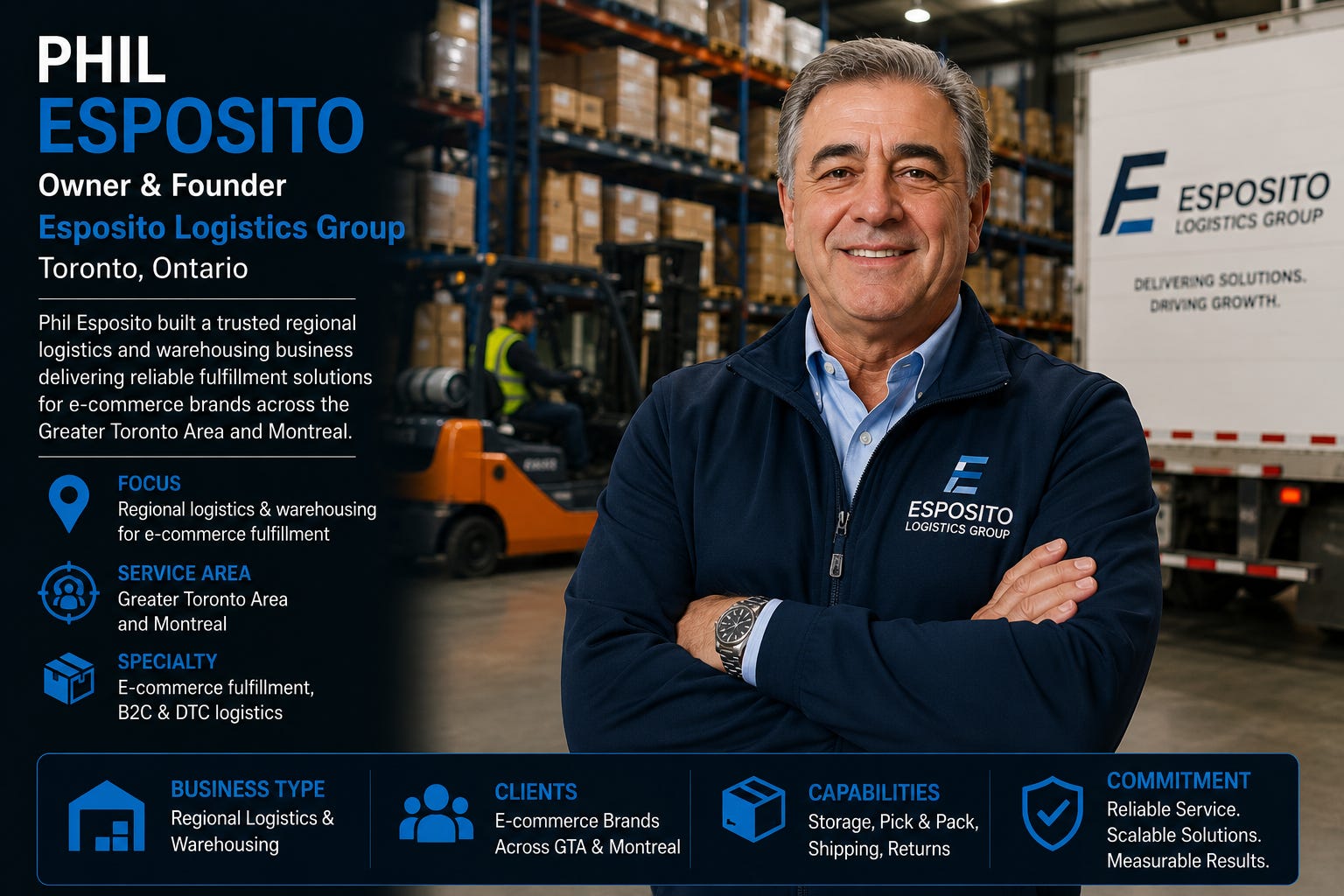
Multiple Choice Questions (10)
1. The recommended competitive bidding process involves working with how many qualified buyers? a) 3 to 4 buyers across all categories b) 6 to 9 qualified buyers across multiple categories c) 10 to 12 buyers in a single category d) 15-plus buyers to maximize competition
2. Weeks 1-2 of the 8-week bidding war strategy focus on: a) Initial buyer outreach b) Intelligence gathering and preparation c) Final negotiations d) Best-and-final offer extraction
3. The “FOMO” strategy in M&A involves: a) Accepting lower offers to close quickly b) Creating urgency through scarcity and competitive pressure c) Focusing only on financial metrics d) Eliminating all competition
4. In the Phil Esposito case study, the original unsolicited offer was: a) $32M b) $38M c) $42M d) $48M
5. The final closed price in the Phil Esposito case study was: a) $42M b) $46.5M c) $48.5M d) $51M
6. Phil Esposito’s 8-week competitive process produced a premium of approximately what percentage above the original unsolicited offer? a) 5% b) 12% c) 28% d) 50%
7. Best-and-final offer extraction occurs during which phase of the 8-week timeline? a) Weeks 1-2 (Preparation) b) Weeks 3-4 (Controlled Marketing) c) Weeks 5-6 (Creating Urgency) d) Weeks 7-8 (Extract Maximum Value)
8. Phil Esposito selected Strategic Buyer B at $48.5M instead of the Financial Buyer at $51M because: a) Strategic Buyer B offered higher headline price b) Strategic Buyer B delivered more cash at closing and higher execution probability c) The financial buyer demanded rollover equity d) Strategic Buyer B offered a longer transition period
9. Harvard Program on Negotiation research demonstrates that controlled auction processes produce what improvement over bilateral negotiations? a) 5% to 10% better outcomes b) 15% to 30% better outcomes c) 40% to 60% better outcomes d) 100%-plus better outcomes
10. True or False: Sellers who break the structure and negotiate with individual buyers outside the bidding process strengthen the competitive dynamic. a) True b) False
Explanation Questions (5)
1. Walk through the four phases of the 8-week bidding war timeline and explain what specific activities occur in each phase. Why is each phase critical to producing premium pricing outcomes?
2. Explain why “FOMO” (Fear of Missing Out) is described as the master psychological lever in M&A negotiations. Use behavioral finance research and specific examples from the Phil Esposito case study to illustrate how loss aversion produces premium pricing.
3. Why does Chapter 13 recommend 6 to 9 qualified buyers rather than 3 to 4 or 15-plus? Describe the specific dynamics that make this range optimal for competitive bidding.
4. Analyze Phil Esposito’s decision to select the $48.5M offer over the $51M offer. What specific factors made the lower headline price actually deliver superior outcomes for the seller?
5. Connect the 8-week competitive bidding strategy to concepts from earlier YBAWS! chapters. How does this execution framework build on compulsion management (Chapter 11), deal structure awareness (Chapter 12), and Fair Market Value understanding (Chapter 7)?
Answer Key — Post 3 Quiz
Multiple Choice Answers:
B — 6 to 9 qualified buyers across multiple categories is the optimal range.
B — Weeks 1-2 focus on intelligence gathering and internal preparation.
B — FOMO creates urgency through scarcity and competitive pressure.
B — The original unsolicited offer was $38M, six months before the competitive process.
C — The final closed price was $48.5M from Strategic Buyer B.
C — The 28% premium represents the gap from $38M to $48.5M.
D — Weeks 7-8 (Extract Maximum Value) is when best-and-final offers are extracted.
B — Strategic Buyer B delivered more cash at closing and higher execution probability.
B — Harvard research shows 15% to 30% better outcomes from controlled auctions.
B — False. Breaking the structure destroys competitive dynamics that produce premium pricing.
Explanation Question Answers:
1. The four phases of the 8-week bidding war timeline are: Weeks 1-2 (Intelligence Gathering and Preparation): identifying 2-3 serious buyers in each category, understanding their strategic imperatives, mapping decision-making processes, engaging an M&A advisor, and preparing buyer-specific presentations. This phase is critical because preparation determines whether competition is possible at all. Weeks 3-4 (Controlled Marketing): initiating individualized conversations with 6-9 qualified buyers using category-specific positioning language, gathering initial valuations, and managing information flow. This phase establishes the competitive universe. Weeks 5-6 (Creating Urgency): requesting formal Letters of Intent, scheduling management presentations, communicating limited timelines, and creating FOMO through honest scarcity messaging. This phase converts interested parties into committed bidders. Weeks 7-8 (Extract Maximum Value): requesting best-and-final offers, bundling price and terms together, prioritizing closing certainty, and selecting the optimal deal structure. This phase compresses competitive pressure into final pricing outcomes.
2. FOMO is the master psychological lever because behavioral finance research demonstrates that loss aversion is roughly twice as powerful as gain attraction. Buyers who fear losing a deal pay premiums that buyers who merely want to win never will. In the Phil Esposito case study, the urgency-creation phase transformed initial LOI ranges from $40M-$46M to final offers of $48.5M-$51M because each buyer feared losing the deal to competitors. The honest scarcity messaging (”Multiple parties are advancing to final rounds,” “We are making a final selection by [specific date],” “Best and final offers required”) created emotional commitment among buyers who had invested significant time and internal political capital in the acquisition. The sellers job is not to manufacture false urgency but to communicate truthful scarcity and let loss aversion produce premium pricing naturally.
3. The 6 to 9 qualified buyer range is optimal because it balances competitive tension with serious engagement. Fewer than six buyers eliminates competitive dynamics, since each buyer can calculate their negotiation position knowing limited alternatives exist. Three or four buyers can effectively coordinate or wait out each other, neutralizing competitive pressure. More than nine buyers dilutes seriousness and signals desperation to the market, since experienced buyers know that “shopped” deals carry quality concerns. Large buyer universes also create information leakage risk that damages confidentiality and competitive positioning. The 6 to 9 range provides enough buyers across multiple categories (financial, strategic, individual, family office, search fund, institutional) to create genuine competition while maintaining the perception of selectivity that signals quality assets.
4. Phil Esposito selected $48.5M over $51M based on three specific factors. First, actual cash at closing favored the lower offer, since Strategic Buyer B’s 90% cash delivered $43.65M cash immediately versus the financial buyer’s 75% cash delivering $38.25M cash immediately. The $5.4M cash differential outweighed the $2.5M headline price differential. Second, execution probability was materially higher with Strategic Buyer B, who had completed three similar acquisitions in the prior 24 months versus the financial buyer’s longer 90-day close requiring rollover equity negotiations. Third, closing speed was 45 days versus 90 days, providing faster certainty and reducing market risk during the diligence period. The lesson is that headline price is one variable among many, and disciplined sellers calculate total economic value including cash timing, execution probability, and structural risk before selecting their preferred buyer.
5. The 8-week competitive bidding strategy builds directly on three earlier YBAWS! chapters. Chapter 7’s Fair Market Value understanding provides the baseline floor that the competitive process is designed to exceed. Without understanding FMV, sellers cannot recognize whether their offers represent premium pricing or commodity treatment. Chapter 11’s compulsion management is essential to bidding war execution because sellers who eliminate their own urgency gain the leverage to create buyer compulsion through scarcity and competition. A seller with personal financial pressure or emotional exhaustion cannot credibly run an 8-week process and will collapse under competitive pressure. Chapter 12’s deal structure awareness protects actual returns by ensuring sellers evaluate offers based on cash at closing, payment terms, earnout structures, and closing certainty rather than headline prices alone. Together, these chapters create a complete framework: FMV understanding establishes the baseline, compulsion management provides the leverage, deal structure awareness protects actual proceeds, and the 8-week competitive process extracts premium pricing through controlled buyer competition.
⚖️ EDUCATIONAL DISCLAIMER (Applies to All Quizzes and Case Studies)
All quiz materials and case studies in this content package are entirely fictional and created for educational purposes only. The characters used (Gordie Howe, Bobby Orr, Phil Esposito) are fictional business owners created using the names of famous NHL hockey players from the 1960s and 1970s. These cases have no connection to the actual NHL legends, their families, their estates, or any of their actual business ventures. The hockey players’ names are used solely for memorable narrative purposes in educational content.
All financial figures, company names, transactions, and business circumstances are fabricated for instructional value. This material is drawn from collective industry experience and does not represent any specific actual transaction. This guide provides information only, not professional advice. Consult qualified advisors for your specific situation. Neither the author nor YBAWS! accepts liability for actions based on this content.
YBAWS! (Your Business Ain’t Worth Sh*t!) is a trademark and educational platform dedicated to helping business owners understand corporate value and marketability.
© 2026 YBAWS! All rights reserved.